
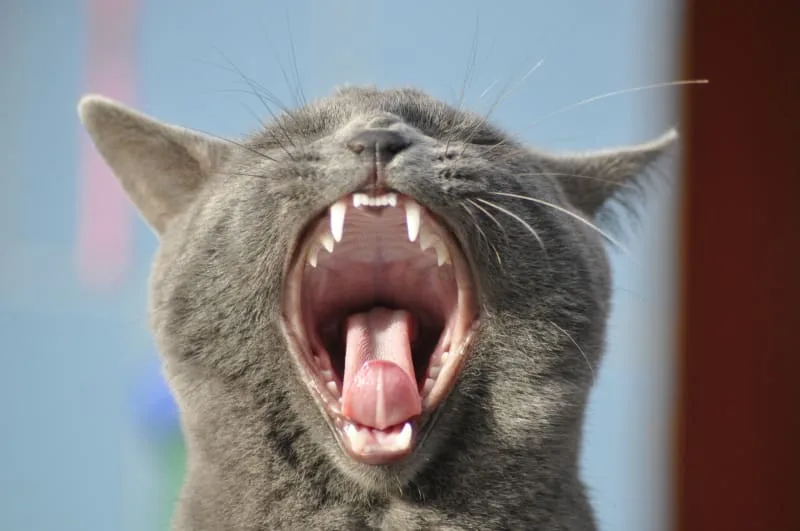
Like humans, kittens have baby teeth that fall out when it's time for their adult teeth to erupt. Here, our Grand Prairie vets talk about teething in kittens and how you can help your furry friend feel better.
When Kittens Start Teething
When kittens are approximately 3 to 4 weeks of age, they get their first set of teeth. Because the teeth irritate the mother cat when she is feeding, the deciduous or baby teeth aid in the weaning of the kittens. The emergence of an infant's teeth is normally uneventful, however, you might notice the kittens nibbling on their toys, or maybe their siblings, more than usual.
When Kittens Start Losing Baby Teeth
When do kitten teeth fall out? At roughly 12 weeks or 3 months. Your cat should have a full set of 30 adult teeth by the time they are six months old. Some may take up to 9 months to get a full set of adult teeth though, so don't worry too much if your kitty still has some baby teeth at the six-month mark.
Your cat's adult teeth will be with them their whole life, so take good care of them! The gold standard for feline dental care includes daily brushing with cat-safe toothpaste, as well as regular veterinary teeth cleanings under anesthesia. Some cats may even benefit from dental diets and treats.
You can also use this information regarding a kitten's teeth to help you tell how old they are (if you are unsure). Your vet should be able to tell you how old a kitten is by using its teeth as a guide as well!
Common Signs & Symptoms of Teething in Kittens
Some signs that indicate your kitten may be teething include:
Crankiness
Bad breath
Eating less
Drooling
Hesitant to bite at or shake toys
Pawing at mouth
Vocalizing more, from small to loud meows
Chewing food more slowly
Increased chewing, especially on soft items
Bleeding gums
Gingivitis
Most of these symptoms should not be a cause for concern. However, you should still monitor your kitten. As an example, if your cat loses significant weight because of a lack of appetite, it's a good idea to contact your vet. And while mild bleeding in the gums is normal, you should contact your veterinarian if there is excessive bleeding as this could be a sign of dental issues.
Ways to Help Your Teething Kitten
Thankfully, there are several ways you can help your teething kitten, such as:
Provide soft toys to chew on
Make sure they get lots of interactive playtime with you to keep them busy and tire them out
Offer soft food; either a canned diet or kibble soaked in warm water
Provide pet-safe cat grass for snacking
Make ice cubes of low-sodium chicken broth or diluted tuna juice for them to play with and chew on. The ice will soothe irritated gums. This is an especially popular item during hot weather!
Discomfort is usually mild and should resolve itself. For extreme cases of pain, make sure you contact your veterinarian.
A Chart To Reference For Your Kitten's Teething
While there is no kitten teeth chart for those who want to track their kitten's development, the picture that comes with this blog post should come as a handy reference to know how your cat's teeth should be coming in.
Contact our Grand Prairie vets today if you would like more tips and advice to help your teething kitten.